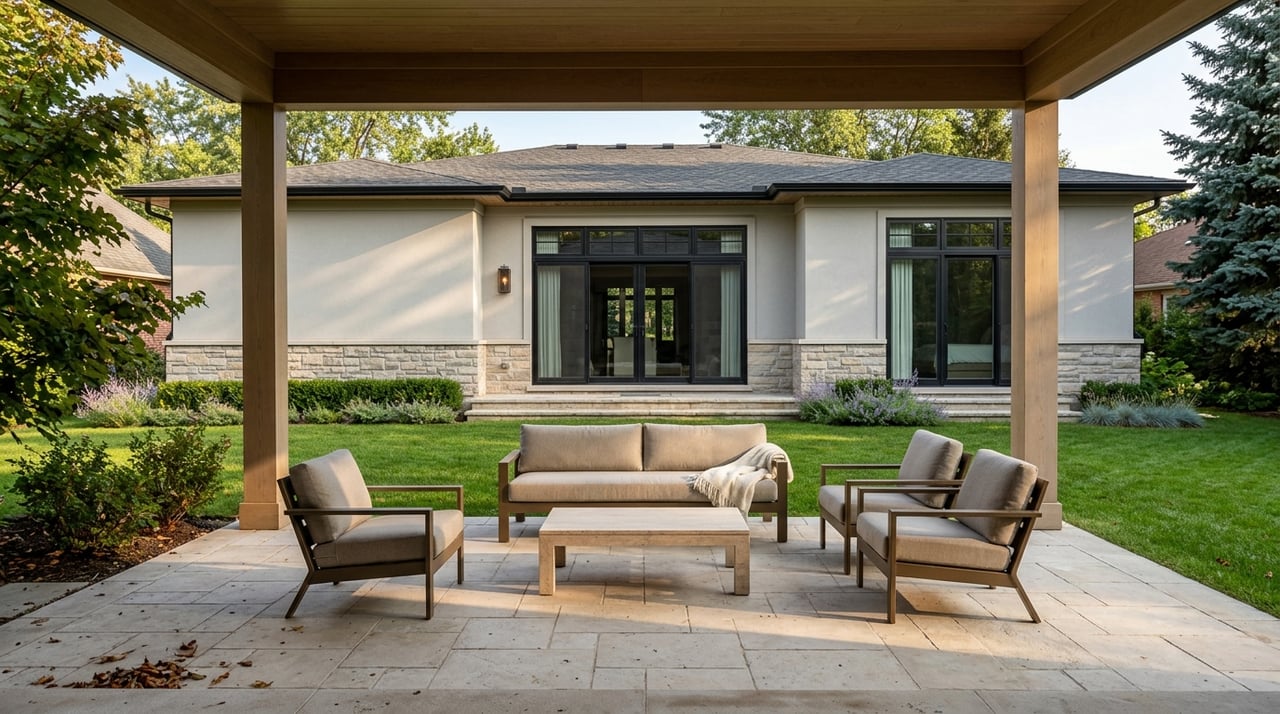
Cottonwood Heights Lifestyle Guide for Daily Living
July 2, 2026
July 2, 2026
If you want a place where a canyon trail, a practical commute, and a good coffee stop can all fit into the same day, Cottonwood Heights deserves a closer look. For many buyers, the challenge is finding a neighborhood that feels connected to both outdoor recreation and everyday life without leaning too far in one direction. In Cottonwood Heights, you get a location that balances access, routine, and room to grow. Let’s dive in.
Cottonwood Heights sits on Salt Lake Valley’s east bench between I-215 and the mouths of Big and Little Cottonwood Canyons. That location shapes almost everything about daily life here, from how you get around to how quickly you can shift from errands to trail time. The city was incorporated in 2005, but its appeal today comes from a mix of established convenience and ongoing planning.
One of the biggest advantages is that the area does not feel like it forces an either-or choice. You are not choosing between suburban functionality and mountain access. Cottonwood Heights brings both together in a way that feels practical for full-time living.
For many people, the headline feature of Cottonwood Heights is simple: you are close to the canyons. Big Cottonwood Canyon and Little Cottonwood Canyon sit right nearby, giving you direct access to some of the Wasatch area’s best-known outdoor destinations. That kind of proximity shapes weekends, early mornings, and even quick after-work plans.
Big Cottonwood Canyon is home to Brighton and Solitude. Little Cottonwood Canyon leads to Alta and Snowbird. UTA also provides seasonal ski service to both canyon pairs, which adds another option during the winter season.
What makes this location especially appealing is that outdoor access is not limited to big destination days. Cottonwood Heights also has a park system that supports a more regular, everyday outdoor rhythm. That matters if you want access to walking paths, playgrounds, trailheads, or open space close to home.
The city’s park network is notably trail-oriented for a suburban area. Crestwood Park is the largest, with 58 acres, giving residents a substantial green space within the city. Butler Park sits next to the Cottonwood Heights Recreation Center, which helps make it a practical stop for active households.
Mountview Park on Fort Union provides access to the East Jordan Canal Trail. Old Mill Park includes a segment of the Big Cottonwood Trail and historical plaques, while Ferguson Park offers trailhead amenities for Ferguson Canyon. Mill Hollow adds athletic fields, a walking path, and a playground, rounding out a park system that supports a wide range of routines.
If the canyons define the scenery, Fort Union often defines the day-to-day pattern. City planning documents describe Fort Union as a west-to-east spine linking Union Park, Highland Drive, 2300 East, and the base of Big Cottonwood Canyon. In practical terms, that means a lot of local movement, errands, dining stops, and meeting points tend to orbit this corridor.
This is also where Cottonwood Heights shows its practical side. You can enjoy the mountain setting, but still have a clear commercial framework for the basics of daily life. That balance is one reason the area continues to appeal to both long-time locals and relocation buyers.
City planning maps identify Union Park Center, Park Centre, Highland Place, and Hillside Plaza as major activity nodes. Those hubs help explain why so many errands, casual meals, and routine stops tend to cluster around familiar intersections. For buyers evaluating convenience, this matters because it gives the neighborhood a recognizable pattern instead of a scattered feel.
The city is also actively working to make the Fort Union corridor more walkable and business-friendly. Its form-based code applies to the Union Park, Highland Drive, and 2300 East focus areas and is intended to improve walkability, connectivity, local business activity, housing options, and public space. That tells you Cottonwood Heights is not standing still.
Sometimes the best way to understand a neighborhood is to look at where people start their mornings. In Cottonwood Heights, the coffee scene reflects the area’s broader lifestyle. It is functional, local, and closely tied to the rhythm of canyons, commutes, and errands.
Current coffee anchors include Alpha Coffee at the mouth of Big Cottonwood Canyon, Cupla Coffee off Bengal and Wasatch, and Beans & Brews on Fort Union. Together, they represent three different slices of daily life: canyon mornings, east-bench errand runs, and classic suburban convenience. That may sound small, but these details often help a neighborhood feel lived-in rather than purely scenic.
Cottonwood Heights works well for people who need to stay connected to larger employment centers while living near the foothills. The city’s roadway network and transit routes support movement toward downtown Salt Lake City, the University area, and other regional job hubs. If commute flexibility matters to you, this is a key part of the appeal.
For drivers, Highland Drive is identified in the city’s traffic analysis as the busiest surface street and a major link to I-215. Fort Union and Wasatch Boulevard or 6200 South also serve important employment corridors and connect back to the regional transportation system. In everyday terms, many trips start with these familiar connectors.
UTA’s current schedules show Route 220 serving Downtown Salt Lake City. Route 72 connects Midvale Fort Union Station with Cottonwood Corporate Center, and Route 223 serves Cottonwood Corporate Center, the University Medical Center, and Research Park. Those routes help illustrate how Cottonwood Heights links not just to the central city, but also to major work and medical destinations.
That range is useful for buyers who want choices. Even if you drive most days, it helps to know the area has documented transit connections to key destinations across the valley.
One of the more interesting things about Cottonwood Heights is that it feels established without feeling static. The city already has recognizable commercial nodes and a clear daily structure, but planning efforts suggest more neighborhood-oriented development ahead. For buyers, that can signal a community with both current convenience and future momentum.
A major example is the planned town center called The Heights at the former Hillside Plaza site on 2300 East and Fort Union. According to the city, the project is intended to add local dining, shopping, open areas, mountain views, and events. Over time, that could further strengthen the commercial core and add more gathering places within the neighborhood.
Cottonwood Heights can make sense for several types of buyers, especially those looking for a balance of access and routine. While every home search is personal, the area often stands out for people who want a foothill setting without giving up practical day-to-day convenience.
You may find Cottonwood Heights appealing if you are looking for:
When you tour homes in Cottonwood Heights, it helps to look beyond the property itself and pay attention to the area’s daily flow. Notice how close the home feels to Fort Union, Highland Drive, Wasatch Boulevard, or 6200 South, depending on your routine. Small location differences can shape how your morning, weekend, or winter schedule feels.
It is also worth exploring the parks and nearby commercial nodes while you are in the area. A quick stop at a local coffee shop, a drive toward the canyon mouths, or a walk near one of the trail-connected parks can tell you a lot about how the neighborhood fits your pace. In a place like Cottonwood Heights, the lifestyle details are a big part of the value.
If you are weighing a move to Cottonwood Heights or preparing to sell there, local context matters. The right guidance can help you understand not just pricing and inventory, but how buyers experience the neighborhood block by block. For tailored advice on Cottonwood Heights and nearby east-side communities, connect with Lori Hendry.
Stay up to date on the latest real estate trends.

With 44+ years of combined experience, Lori Hendry and Lisa Woodbury deliver a seamless, team-based approach to buying and selling. Through strategic marketing, expert guidance, and strong negotiation, they help clients achieve the best possible results with confidence.