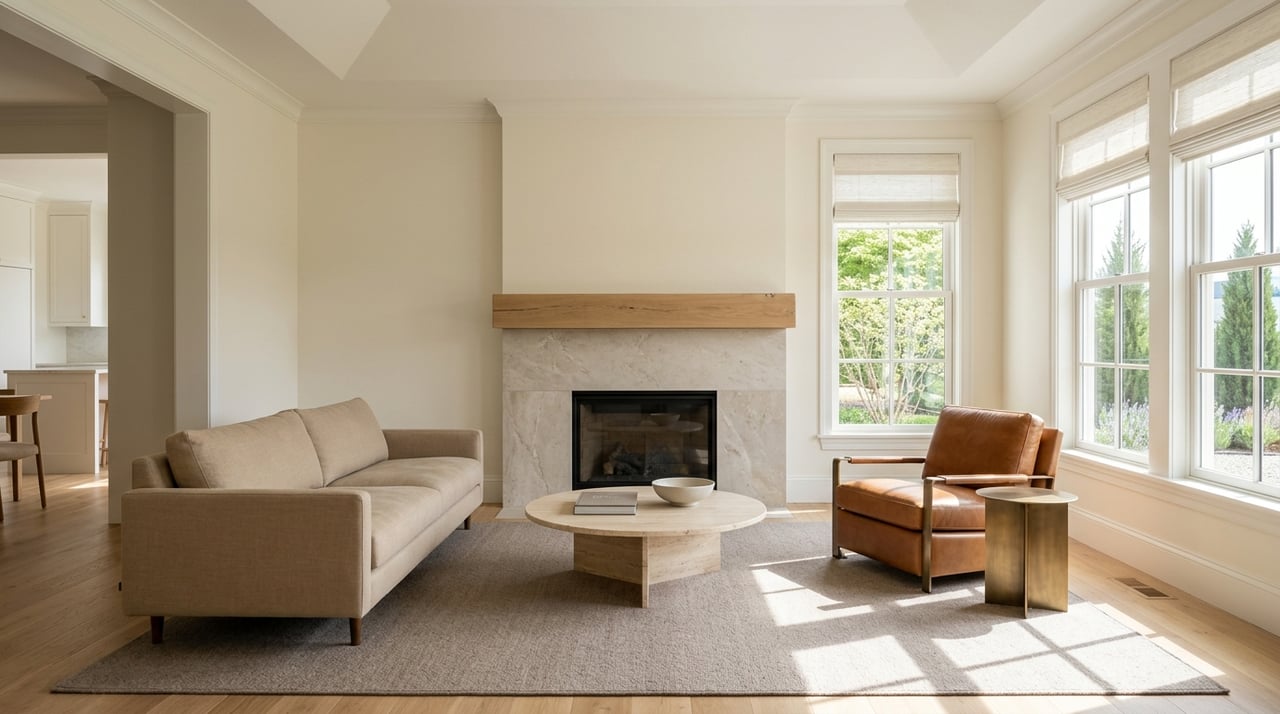
Why So Many People Love Living In Sugar House
June 18, 2026
June 18, 2026
If you keep hearing people talk about Sugar House, there is a reason. This Salt Lake neighborhood has a rare mix of walkability, local character, green space, and housing variety that keeps drawing people in. Whether you are moving across town, relocating to Salt Lake, or simply trying to understand the area better, this guide will show you what makes Sugar House stand out. Let’s dive in.
Sugar House is not a neighborhood that feels generic or interchangeable. Salt Lake City describes it as a pre-automobile neighborhood with a village feel, and that pattern still shapes how the area looks and functions today.
You can see that identity in the close mix of homes, shops, parks, and everyday services. The neighborhood also has a long local story, with its name tied to pioneer-era sugar beet cultivation, which gives it a strong and recognizable sense of place.
That combination helps Sugar House feel lively without feeling like downtown. It has energy, activity, and a true commercial core, but it still reads as a neighborhood first.
One of the biggest reasons people love living in Sugar House is convenience. The Sugar House Business District is centered around 2100 South and 1100 East and Highland Drive, and the city describes it as a hub for shopping, dining, services, entertainment, and recreation.
In practical terms, that means your daily routine can feel easier here. Coffee shops, restaurants, local stores, wellness businesses, nightlife, and larger retailers are all part of the mix, which gives the neighborhood a strong live-near-what-you-need appeal.
Sugar House also benefits from ongoing public investment. In 2025, Salt Lake City reopened the rebuilt 2100 South corridor with new utilities, safer crossings, fresh lane striping, trees, bike racks, benches, and a multi-use path designed to improve access by car, bike, foot, and transit.
People are often drawn to neighborhoods that feel active and connected, and Sugar House has that quality. The city highlights recurring events such as summer farmers markets, Fourth of July fireworks at Sugar House Park, and holiday Santa Shack visits.
These events help the neighborhood feel like more than just a place to live. They create a rhythm to the year and give residents easy ways to enjoy the area close to home.
For many buyers, outdoor access is a huge part of Sugar House’s appeal. You do not have to leave the neighborhood to find meaningful green space, walking routes, and places to spend time outside.
Sugar House Park is the neighborhood’s signature open space, and it is a big reason the area feels so balanced. Salt Lake County says the park spans about 110 acres and includes a pond, sledding hills, access to Parley’s Trail, and a 1.38-mile road with a pedestrian lane.
That kind of park adds a lot to everyday life. It gives you room to walk, jog, gather, or simply enjoy open space in the middle of an urban neighborhood.
Hidden Hollow offers a different experience than a large regional-style park. The city describes it as a protected urban natural area with daylighted Parley’s Creek, a walking path, native vegetation, and a direct connection under 2100 East to Sugar House Park.
This is one reason Sugar House can feel greener than people expect. Even with its busy commercial areas and central location, the neighborhood still offers quiet pockets of nature woven into the built environment.
The Draw at Sugar House is another feature that helps explain the neighborhood’s layout and appeal. It links the business district and Hidden Hollow to Sugar House Park while also serving as flood control for Parley’s Creek.
That may sound technical, but the real takeaway is simple. Sugar House has invested in spaces that support both function and quality of life, with pedestrian connections and public design playing a visible role.
The broader trail network is another reason Sugar House stands out. Salt Lake City identifies Parley’s Trail as an 8-mile walking and biking route connecting Parley’s Canyon to the Jordan River Parkway Trail.
The city also notes that the trail links neighborhoods, parks, and business districts, making it useful for both recreation and scenic commuting. The McClelland Trail also connects the 9th & 9th Business District to the Sugar House Business District, which adds to the area’s connected feel.
If you like the idea of being able to bike, walk, or explore without always getting in your car, Sugar House offers real options. That is a major lifestyle advantage for many buyers.
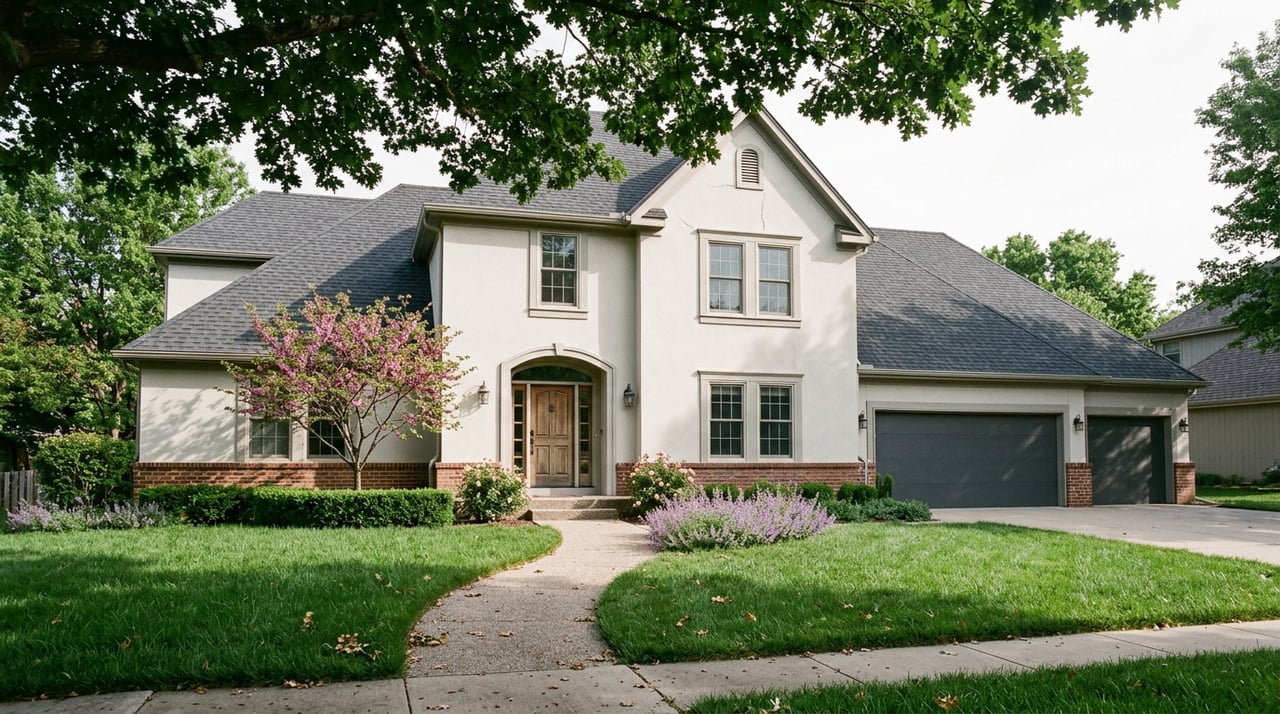
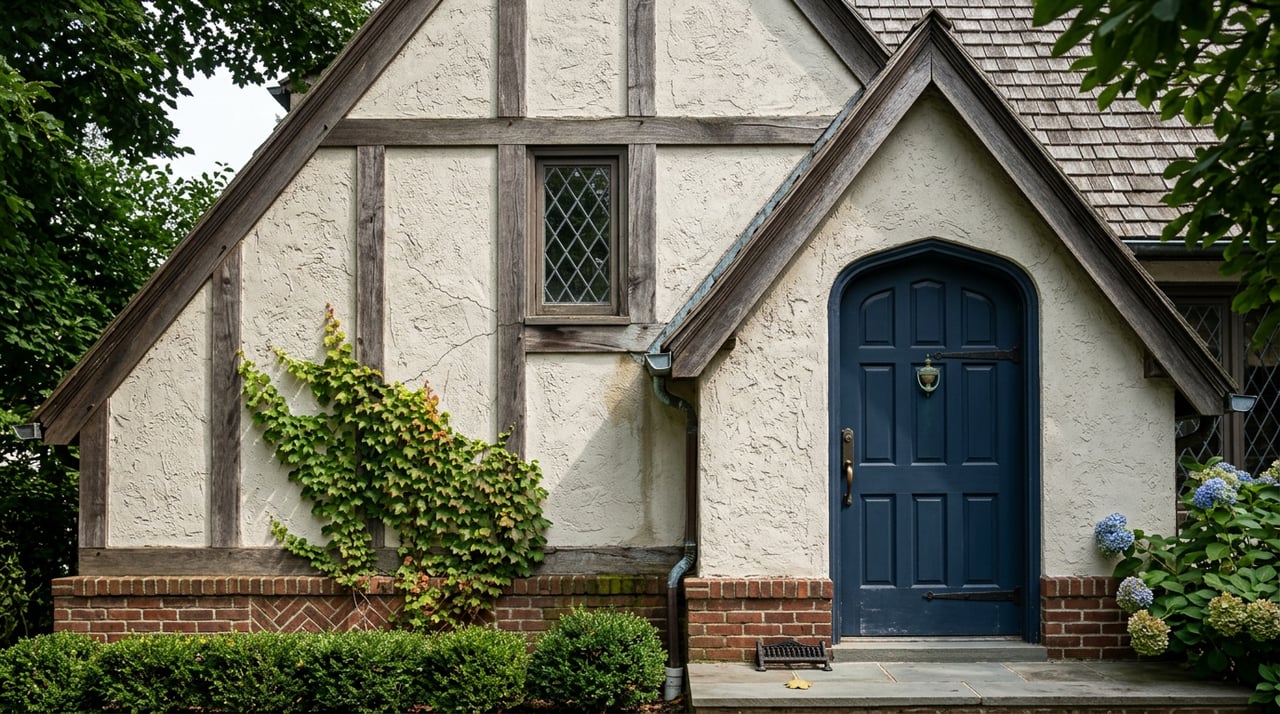
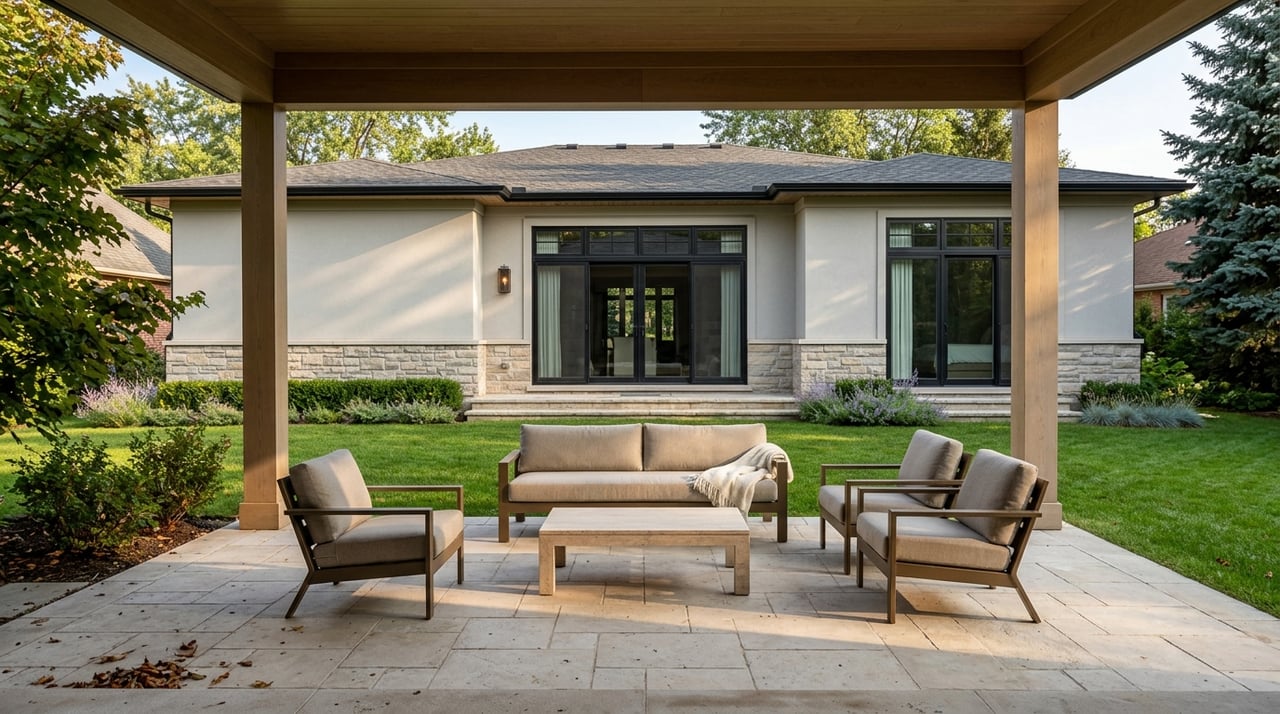
Another reason Sugar House stays popular is that it is not a one-style neighborhood. The housing mix gives buyers and sellers a broader range of options than you might find in a more uniform area.
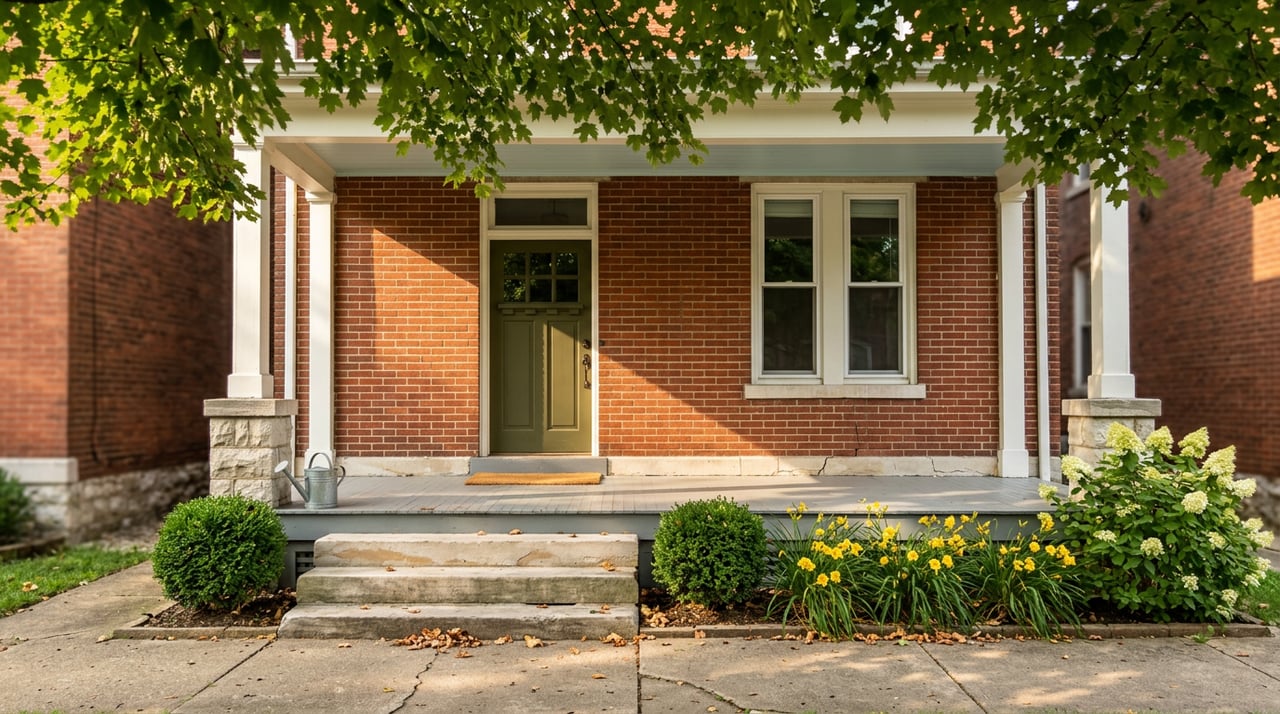
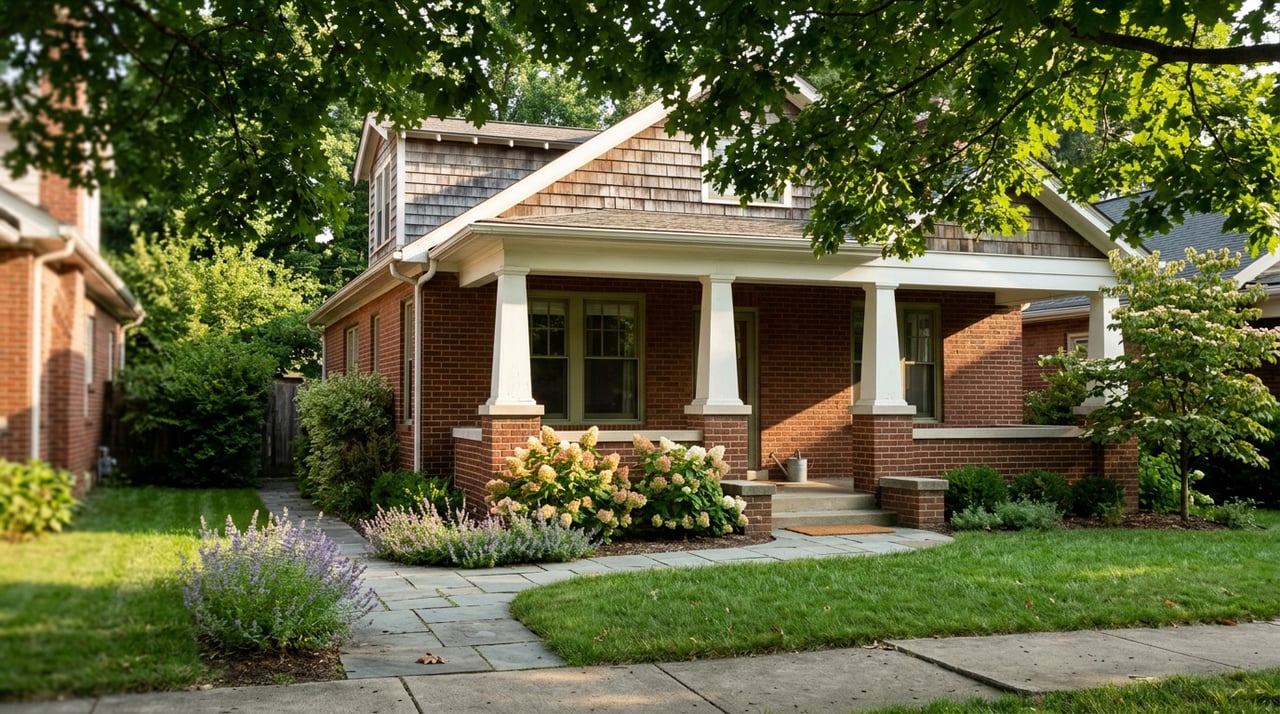
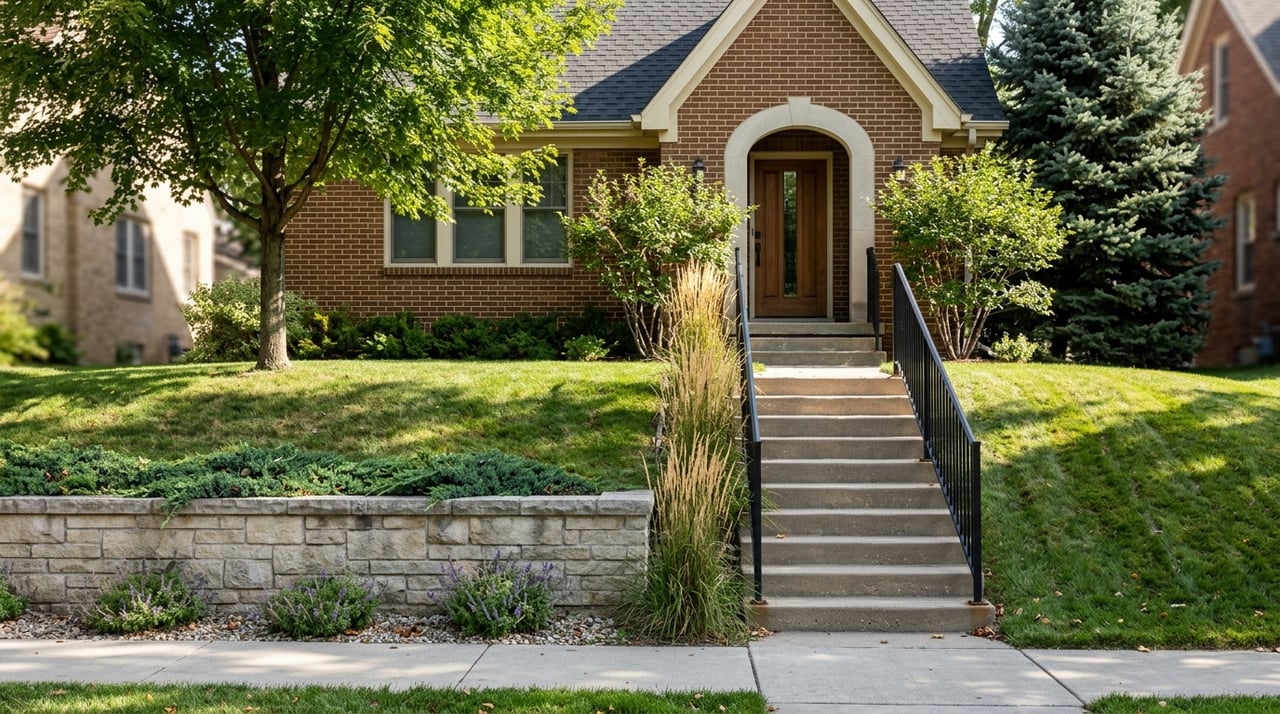
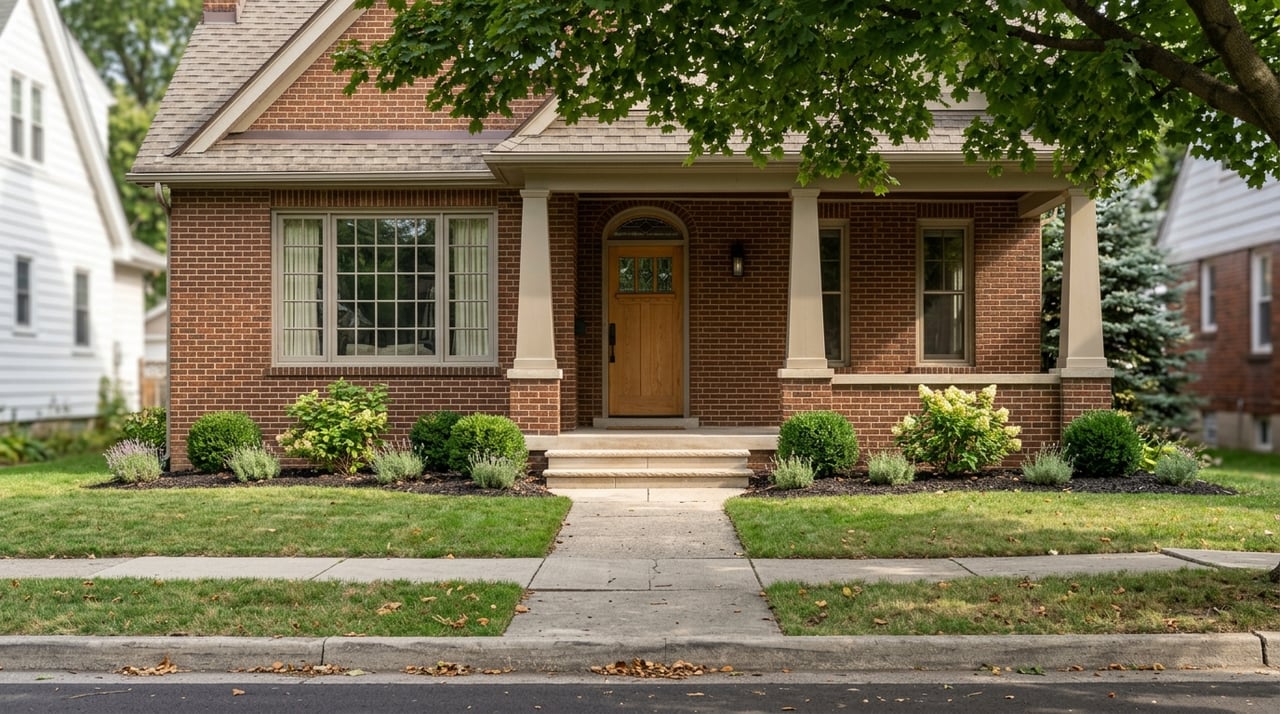
The Sugar House Master Plan says many residential streets are defined by well-established single-family neighborhoods and bungalow architecture. It also emphasizes preserving the character and scale of those older streets.
That matters because it helps Sugar House keep its historic and residential feel. Even as the area evolves, those established blocks still anchor the neighborhood’s identity.
At the same time, the master plan calls for a wider range of housing choices, including mixed-use housing above retail, courtyard apartments, townhomes, and live/work units. It also identifies higher-density residential patterns in the community and supports more redevelopment within or near the business district.
For buyers, that means Sugar House can work for different lifestyles and budgets. For sellers, it means the neighborhood appeals to a broad pool of potential buyers who may be looking for anything from a bungalow to a condo or mixed-use living environment.
Transportation is another part of the Sugar House story. UTA says the S-Line streetcar connects residential and commercial areas in Sugar House and South Salt Lake, with links to parks, shops, restaurants, TRAX, bus lines, and the Parley’s Trail system.
UTA is also extending the line toward Highland Drive near Simpson Avenue, which is expected to bring streetcar service closer to the heart of the business district. That kind of connectivity supports the neighborhood’s pedestrian-first feel and gives residents more ways to move around.
For people relocating to Salt Lake, this can be especially appealing. Sugar House offers a central, neighborhood-scaled setting with transportation options that go beyond driving alone.
One of the most appealing things about Sugar House is how many parts of daily life come together in one place. You have a genuine commercial center, destination parks, trail connections, established residential streets, and access to transit all within the same neighborhood fabric.
That is what makes Sugar House feel different from a purely residential area. It also feels smaller and more neighborhood-scaled than downtown, which is part of why so many people see it as a sweet spot.
No neighborhood is perfect, and part of understanding Sugar House is understanding its pace. The Sugar House Master Plan discusses traffic congestion, parking management, and the need to preserve pedestrian access.
That means some of the same features people love most can also create pressure. Busy corridors, popular businesses, and continued growth can bring traffic, parking friction, and periods of construction.
Still, many buyers see those tradeoffs as part of what comes with living in a well-loved, active neighborhood. Sugar House is best described as energetic and evolving rather than quiet and static.
At its core, Sugar House works because it offers balance. It blends neighborhood character with convenience, outdoor access with urban activity, and older homes with newer housing choices.
For some people, the draw is the business district and walkability. For others, it is Sugar House Park, Hidden Hollow, trail access, or the variety of homes available near the center of Salt Lake.
If you are trying to find a neighborhood that feels established, connected, and full of local identity, Sugar House continues to make a strong case for itself. And if you want help understanding where Sugar House fits into your move, Lori Hendry offers the kind of neighborhood-specific guidance that can make your next step feel much clearer.
Stay up to date on the latest real estate trends.
With 44+ years of combined experience, Lori Hendry and Lisa Woodbury deliver a seamless, team-based approach to buying and selling. Through strategic marketing, expert guidance, and strong negotiation, they help clients achieve the best possible results with confidence.